Lot #27
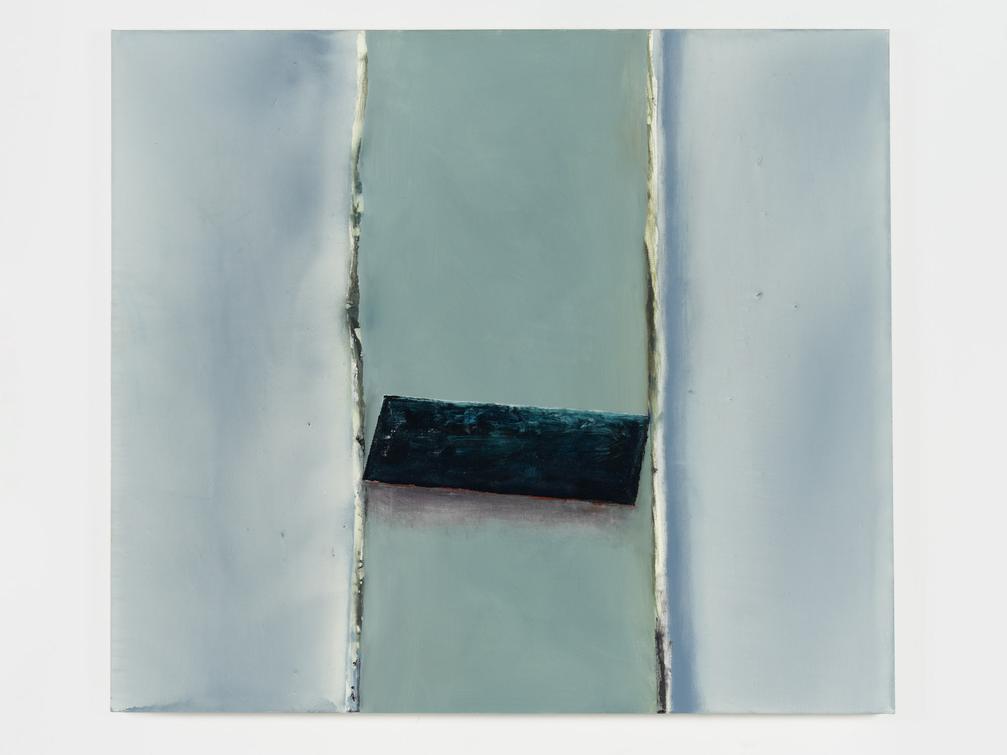
Oldřich Tichý
Between the Banks
Estimate: 250,000 CZK – 300,000 CZK
200,000 CZK

The painter Oldřich Tichý comes from a generation of artists whose work was shaped by the postmodern tendencies that seeped into Czech art over the course of the 1980s. In the second half of this decade he participated in Konfrontace (Confrontations), an important series of unofficial exhibitions that brought together an entire generation of young artists open to these influences. Nevertheless, Tichý can be regarded more as a solitary figure. Since 1987 he has worked in seclusion on a farm in the Posázaví region, where he gradually distanced himself from the direction taken by many of his contemporaries. From a postmodern starting point, he arrived at a tighter and more personal style with an expressive existential dimension, formally akin to certain unorthodox Czech surrealists such as František Janoušek or Bohdan Lacina. Although Tichý may be considered an abstract painter, his works feature a distinct iconography and hints of concrete motifs, and they are closely tied to the rural environment in which they are created. Motifs of wire mesh, fences, branches, and wood recur frequently, accompanied by a subdued color palette, particularly in shades of brown, gray, blue, and green. The painting Mezi břehy (Between the Banks) is an existential statement built on the symbolism of signs: A beam is wedged between two vertical banks in a precarious position, as if it might fall down at any moment. It is a kind of allusion to the fragility of interpersonal relationships, their transience, and the fact that they cannot be taken for granted.
70 % of the hammer price is allocated to support the non-profit foundation Spolu s odvahou, a member of the Bátor Tábor family
Other lots in the same auction:

 Cookies settings
We use cookies to improve your user experience and our services. You can give your consent by clicking on the button "Allow all".
More information about data protection and cookies.